
Construction software trends in Thailand
Insights from Khun Pasas, CEO of VR Digital
Interview by Denis Branthonne
During a recent visit to Bangkok, I had the pleasure of sitting down with Khun Pasas, the Director and Founder of VR Digital. VR Digital is a leading company offering software and services to Thailand’s building and construction industry. Over the past three decades, Khun Pasas has not only witnessed but also actively contributed to the technological evolution in this field. Talking to him is always a learning experience.

Denis Branthonne (D.B): Khun Pasas, could you share a bit about your background and journey in the industry?
Khun Pasas (K.P): My career began in the late 80s—a time when drafting was done by hand, and computers were hardly used. Things started changing in the 90s when the first versions of AutoCAD was introduced. Back then, the big question was, “What can CAD do for us?” Adoption was slow, though. It took about five to 10 years before digital drafting became widely used.
The late 90s introduced rendering software, and by the early 2000s, we saw Building Information Modeling (BIM) come into play. Let me tell you, BIM was no easy tool in those days—it was complex, time-consuming, and required a lot of effort to implement. It took another decade or so before it became commonly used.
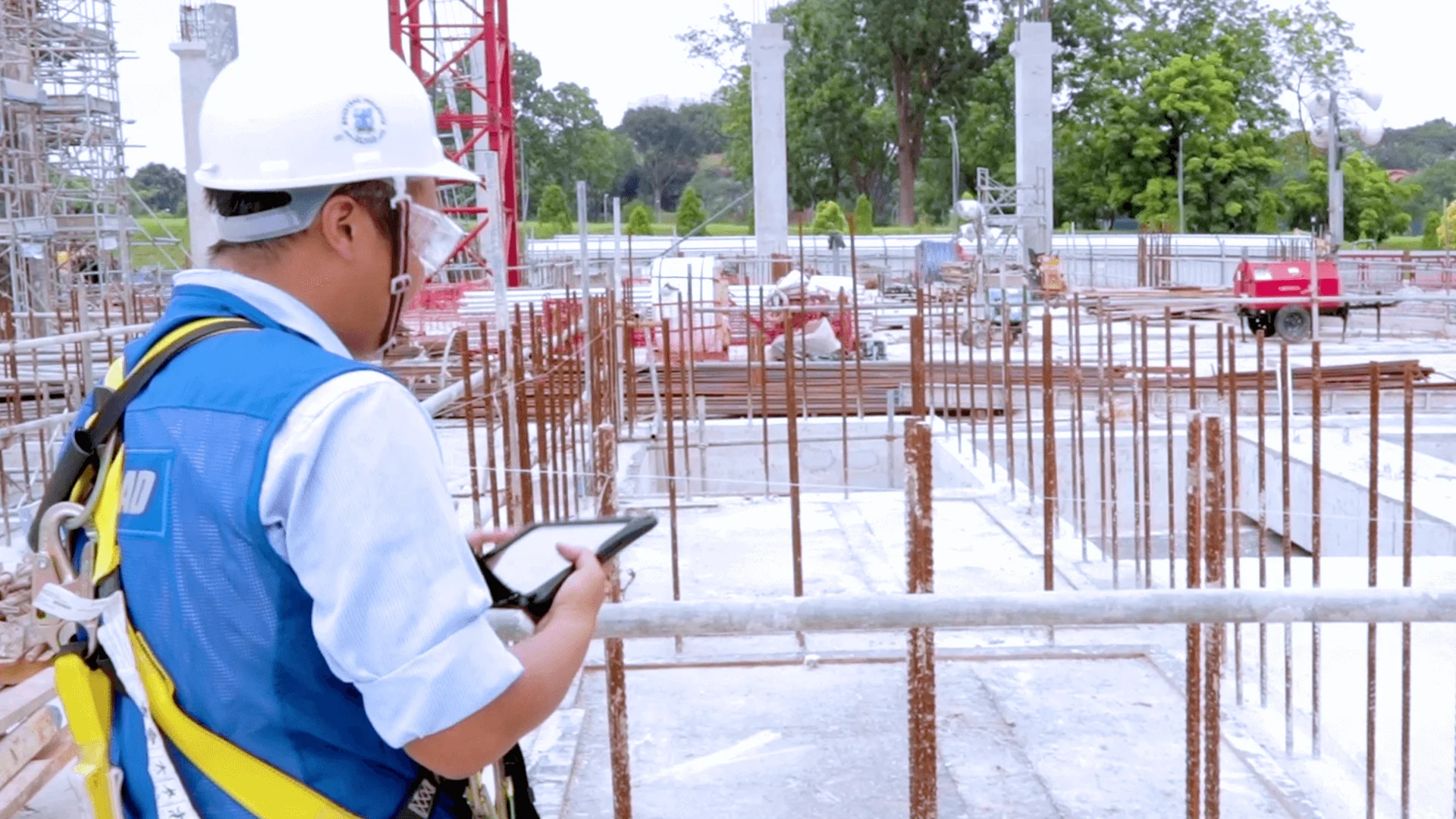
About 10 years ago, I believe we entered a new phase of digital transformation: using mobile apps and site-based tools to collect data for smarter decisions. Novade is a very good example of this. However, only a few companies have fully embraced the power of data. Many still don’t realise its potential, though this wave of transformation is picking up speed now.
D.B: What do you think will be the next big thing in construction technology?
K.P: AI is definitely the buzzword right now. While we’re seeing its influence in areas like project planning and predictive analytics, it’s still in the early stages. For example, AI is helping us analyse vast amounts of data to make better decisions, but it’s not yet fully integrated into everyday workflows.
Another shift I’ve noticed is in how younger generations approach learning. They prefer short, engaging videos instead of traditional manuals. This will impact how we deliver training and onboard new talent. I imagine a future where AI creates interactive, bite-sized learning modules tailored to individual needs—making learning faster and more accessible.
D.B: How has VR Digital evolved over the years?
KP: In the past, employees would typically stay with us for three to four years. Now, it’s closer to two. The pace of work and life is just faster now. To adapt, we’ve had to rethink how we attract and retain talent. It’s about building an environment where people can learn quickly, grow, and contribute—even in shorter timeframes. As a company, we’ve also focused on staying ahead of technology trends. We’re not just providing solutions; we’re helping our clients anticipate future challenges and opportunities. That’s what keeps us relevant.
D.B: What’s happening within organisations in the building and infrastructure sector?
K.P: We’re seeing a new generation of leaders—second-generation owners or younger executives—taking charge. They’re challenging traditional approaches and making decisions faster. They’re also more open to innovation. However, middle management is often slower to adapt. This creates a bottleneck, as they’re stuck between old ways of working and the expectations of forward-thinking leadership. Bridging this gap is one of the biggest challenges for organisations right now.
D.B: What’s needed for companies to innovate successfully?
K.P: Successful innovation comes down to having the right team at the right time. It’s about combining expertise, creativity, and a willingness to take risks. Timing is also critical. But let’s not forget the importance of investment. Innovation requires capital—not just financial resources but also time and energy. Companies that hesitate to invest often miss out on long-term gains. Leaders need to recognise that betting on the future is essential for staying competitive.
D.B: What are your predictions for the next five years in Thailand’s construction software market?
K.P: Over the next five years, AI and data analytics will become more deeply integrated into construction workflows. We’ll see a shift from just collecting data to using it in real-time to make decisions. AI won’t just help you build a building—it might even suggest where to put the coffee machine for optimal productivity! Sustainability will also take center stage. Green construction practices will become more important, and software tools will need to support this transformation. Finally, I think we’ll see a growing divide between innovators and laggards. Companies that invest in digital transformation now will pull ahead, leaving those that resist playing catch-up.
D.B: Any final thoughts?
K.P: Digital technology is transforming not just how we work, but how we think. In Thailand, we have the talent and the resources to lead this change, but it requires collaboration and an openness to new ideas. At the end of the day, it’s not just about technology—it’s about people embracing these changes and driving them forward. And if we do it with a smile, that’s the true Thai way!